Ref SF-3632
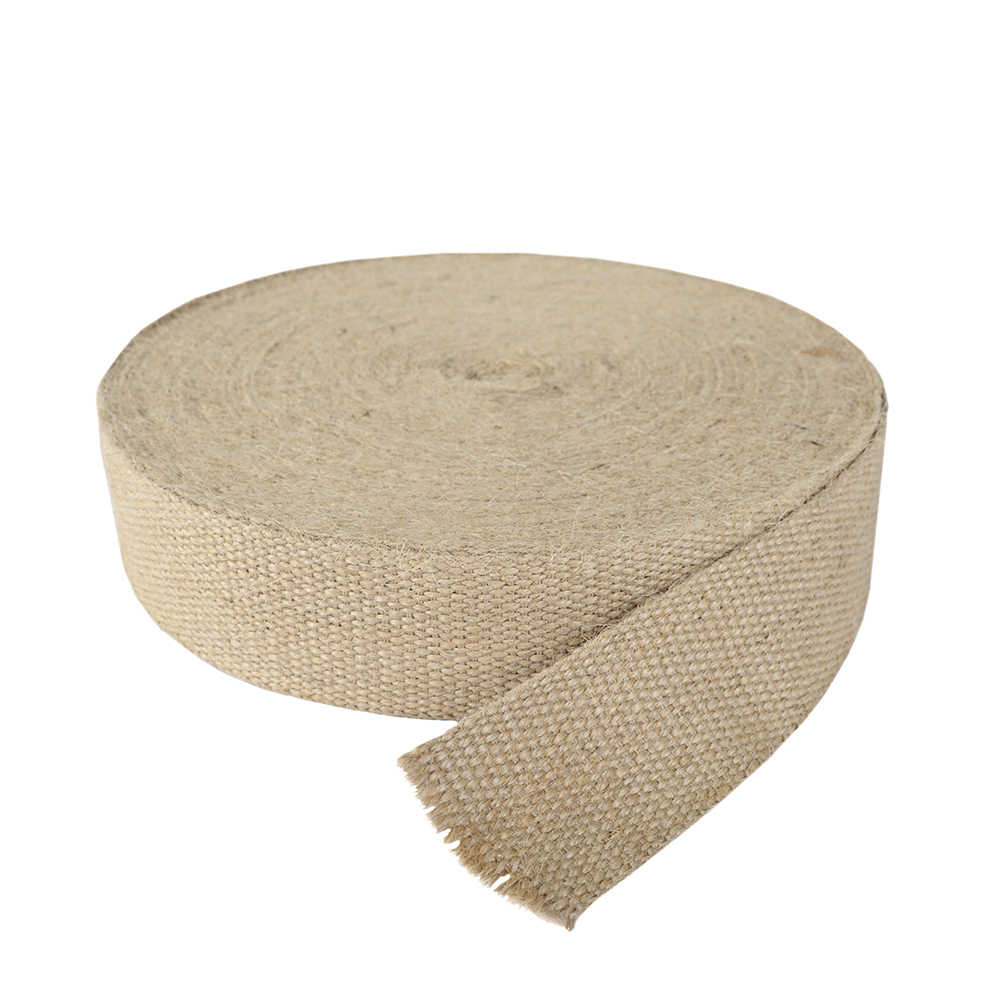
50mm Jute Webbing 10lb (33mtr roll)
£12.72
No VAT added. UK delivery £15.54, free on orders of £180 or more. Delivery and returns
1. Choose your options
2. Choose quantity
Listed as in stock on 13 November 2026. Availability confirmed before payment.
Product details
50mm wide, woven from natural jute fibres. Traditional 10lb upholstery webbing grade. Use it for chairs, sofas and antique furniture restoration. Suitable for supporting traditional double cone springs. Firm, low-stretch foundation for traditional upholstery. Supplied in 33-metre rolls, with 5 and 24-roll options. Recommended products: Double Cone Springs, Laidcord Spring Tying Twine, Curved Upholstery Needles, Beech Webbing Stretcher and Challenge Upholstery Tacks.
Full description and care
50mm Natural Jute Upholstery Webbing, 10lb, 33m Roll
The 50mm Natural Jute Upholstery Webbing, 10lb is a traditional woven furniture webbing manufactured from natural jute fibres. Designed to provide a firm, dependable foundation for upholstered seats and backs, it is particularly suitable for traditional chair making, furniture restoration and reupholstery.
Jute webbing has been used in upholstery for generations, providing a strong supporting foundation beneath upholstery springs, hessian and traditional furniture fillings.
Supplied in 33-metre rolls, this 50mm wide webbing is available individually or in quantities of 5 and 24 rolls for professional workshops.
Features
- 50mm wide traditional upholstery webbing.
- Natural woven jute fibre construction.
- 10lb grade for general traditional upholstery applications.
- Provides firm, relatively low-stretch furniture support.
- Suitable for upholstered seats, backs and spring foundations.
- Use it for antique furniture repairs and restoration.
- Supplied in 33-metre rolls with ordering options.
Where Is 10lb Jute Upholstery Webbing Used?
Traditional Chair and Sofa Seats
Natural jute webbing is widely used to create the supporting base for traditional upholstered seating.
Lengths of webbing are stretched across a timber furniture frame and securely fastened, often in an interwoven arrangement. This creates a foundation for upholstery springs or suitable padding, depending on the furniture construction.
Supporting Double Cone Upholstery Springs
Traditional sprung furniture requires a strong webbing foundation beneath the individual coil springs.
The Double Cone Upholstery Springs can be attached to appropriately tensioned jute webbing, creating the supporting structure for traditionally upholstered seats.
Spring selection and webbing suitability should reflect the original furniture construction and expected loads.
Upholstered Chair Backs
Jute webbing can also be used across traditional chair backs, providing support beneath hessian, upholstery fillings and covering fabrics.
Antique Furniture Restoration
When restoring period furniture, natural jute webbing provides a traditional alternative to modern synthetic materials, helping preserve established upholstery construction methods.
Understanding 10lb and 12lb Jute Webbing
Upholstery jute webbing is commonly available in different weight grades.
The 10lb designation identifies the traditional webbing weight grade rather than a maximum supported load or breaking-strength rating.
The 50mm Jute Upholstery Webbing, 12lb offers a heavier-grade alternative for applications requiring more webbing.
Choosing between the grades depends on the original furniture construction, intended application and required support.
Double Cone Springs, Twines and Curved Needles
For traditional sprung upholstery, individual springs are positioned on the prepared webbing foundation and securely stitched into place.
The springs are subsequently lashed together using Laidcord Flax Spring Tying Twine. Spring lashing helps control their height, alignment and movement, allowing them to function together as a supporting unit.
Curved Upholstery Needles are useful for suitable hand-stitching operations, including working around furniture frames, attaching upholstery materials and securing traditional fillings.
How to Fit Traditional Jute Webbing
Remove deteriorated webbing and inspect the timber frame and joints before beginning repairs.
Secure one end of the jute webbing using suitable upholstery tacks or staples.
Use a Beech Webbing Stretcher or C. S. Osborne Spiked Webbing Stretcher to apply controlled tension before fastening the opposite end.
Repeat with additional strips, interweaving them where required by the original construction.
Recommended Upholstery Tools and Fixings
- Challenge Upholstery Tacks, traditional fixings for securing webbing to timber frames.
- Pneumatic Staple Guns & Tackers, professional fastening equipment for upholstery workshops.
- Beech Webbing Stretcher, for tensioning suitable 50mm upholstery webbing.
- Curved Upholstery Needles, for traditional stitching and upholstery assembly.
Additional product information
The 50mm Natural Jute Upholstery Webbing, 10lb is a strong, traditional woven furniture webbing, used for supporting upholstered seats, backs and traditional double cone springs.
- 50mm wide, woven from natural jute fibres.
- Traditional 10lb upholstery webbing grade.
- Use it for chairs, sofas and antique furniture restoration.
- Suitable for supporting traditional double cone springs.
- Firm, low-stretch foundation for traditional upholstery.
- Supplied in 33-metre rolls, with 5 and 24-roll options.
Recommended products: Double Cone Springs, Laidcord Spring Tying Twine, Curved Upholstery Needles, Beech Webbing Stretcher and Challenge Upholstery Tacks.
Range options and attributes
- Quantity
- 24x 33mtr roll, 33mtr roll, 5x 33mtr roll
Specifications are reproduced from supplied product data and have not been checked against a physical sample. Colours vary between screens and devices, so on-screen images may not exactly match the physical material.